Behavioral strategy
Program Titles
- Behavioral insights
- Human perception and trust
- Enterprise transformation
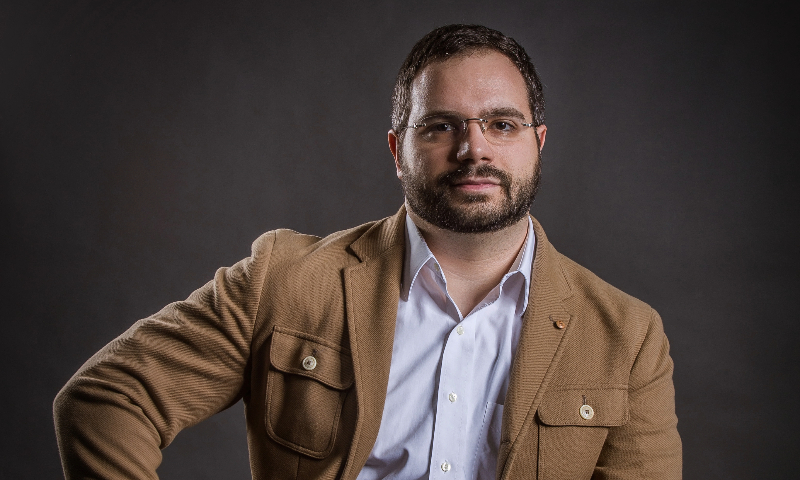
Djuradj Caranovic on AI, behavioral strategy, and enterprise transformation as he has advised Fortune 500 executives, legacy investment families, and sovereign-level organizations.
He pioneered a zero-margin implementation model to focus on what truly matters: real-time behavioral insights that guide billion-dollar decisions. His unique approach redefines AI not as a tool but as a shift in human perception and trust.
His work sits at the highest levels of strategic influence, helping the world’s most potent quietly shape the future.
Djuradj Caranovic is a behavioralist and AI enthusiast who combines neuroscience, psychology, and business strategy with AI to create transformative experiences.
As a change manager, Djuradj helps organizations design inspiring workflows fueled by human potential. He holds a PhD in economics, a master’s in behavioral science, and psychotherapy training.
He has experience driving global companies’ innovation, digital transformation, and growth. Djuradj is passionate about leveraging technology and human understanding to unlock creativity and meaning.
Djuradj shared his career trajectory, insights on how leaders can empower people to lead innovation and digital transformation, current roles and responsibilities at Fundus Consulting, his biggest stress reliever, words of wisdom, plans, and much more. The following excerpts are taken from the interview.
He has a diverse background spanning technology, business, and psychology. I’m fascinated by human potential and how we can empower people and organizations to thrive in an age of rapid change.
His varied expertise allowed him to understand the human dynamics of change and the technological innovations driving it.
Leading a group through several successful change initiatives, including introducing new technologies, restructuring the organization, and creating a new culture of innovation.
A certified psychotherapist, he creates a modality of therapy that helps you heal and transform by connecting with your inner wisdom. This work is essential for leaders who want to make sustainable organizational change.
First, leaders must model curiosity, humility, and an openness to change. Employees are unlikely to take risks if their leadership doesn’t embody the spirit of innovation. Leaders should demonstrate that they, too, are lifelong learners willing to embrace new ideas and unfamiliar technologies.
Leaders must also create an environment built on trust and psychological safety. Employees should feel comfortable expressing ideas, asking questions, and even challenging the status quo without fear of embarrassment or retribution.
Leaders can encourage this by actively listening, avoiding top-down directives, and rewarding thoughtful failures as learning opportunities.
Additionally, leaders should focus on enabling self-direction and autonomy. The most transformative innovations often come from the bottom up, not mandated from the top down. Providing individuals and teams with the space and resources to direct their projects fosters organic innovation.
Finally, leadership plays a key role in providing ongoing training, development opportunities, and forums for cross-collaboration. Investing in people’s digital and creative skill sets empowers them to become change leaders, and connecting diverse groups across the organization breeds novel thinking.
To conclude, leadership that models an innovative mindset, builds psychological safety, supports autonomy, and facilitates skill-building and collaboration can unlock an organization’s full potential for transformational change. When given the permission and tools to drive progress, people are genuinely empowered.
The field of organizational change management faces immense disruption and transformation. The dizzying pace of technological advances, demographic shifts, and globalization has created significant uncertainty. Emerging technologies like AI are a source of disruption and change in business models and workflows.
One key is to embrace agility and cultivate the ability to adapt rapidly. Change is constant—rather than resisting it, we must learn to pivot and evolve gracefully. He encourages experimenting with new methodologies like design thinking and lean startups that thrive in ambiguity.
Additionally, we need to tap into collective intelligence across silos and roles.
Innovation often springs from unexpected places, so I frequently crowdsource ideas from interns to executives. Diversity of thought is crucial.
Staying intensely customer-centric is also vital to overcoming disruption. While the future is unpredictable, focusing on solving human needs tends to stand the test of time. I aim to understand deeply both employee and customer pain points and desires.
Finally, connecting on our shared humanity and purpose is essential. Change can be overwhelming, so I try to acknowledge people’s emotions while painting a compelling vision of the future. Transparent, empathetic communication and hands-on support help people feel understood and empowered to take the change journey together.
There are always challenges, but we can transform disruption into opportunity and continued relevance with adaptability, collective insight, customer-centricity, and compassion. Exciting innovations lie ahead.
A crucial part of my role was reimagining our performance management and professional development approaches to empower employees and nurture agility.
But ultimately, my most important task was fostering an inclusive, trusting, and empowering culture where every person could thrive and do their best work, even amidst disruption. I aimed to help our people grow on a human level, not just as workers.
One program I spearheaded received national recognition as HR Best Practice of the Year for its inventive approach to talent mobility. But accolades aside, the most rewarding part of my job was helping unlock our team’s potential.
I transformed HR from a reactive administrative function into a forward-thinking architect of organizational change. Instead of mandated processes, I nurtured a peer-to-peer system of empowerment where every employee could act as a “chief human resources officer,” shaping their own experience.
My proudest legacy is a culture where, rather than being change victims, our people are change leaders who are excited to drive our transformation. Our agility and human potential give me great confidence in our future.
He aims to transform mental healthcare through innovative digital platforms and a mission of accessible support for all.
Our vision is a world where seeking therapy is destigmatized and as commonplace as visiting a doctor. We believe everyone deserves the opportunity to improve their mental fitness and resilience.
To make this vision a reality, our digital platform replaces office visits with accessible anytime, anywhere therapy and coaching. We reach those in need by meeting them where they are – on their devices and daily lives.
A key milestone was surpassing 10,000 active users last month, demonstrating the demand for more available mental health services.
We judiciously use AI to augment human connection, not replace it. The technology allows us to scale empathetic support to meet growing needs. Our controversial view is that an empathetic AI coach can be as effective as human therapy for mild to moderate cases.
He aims to help people understand themselves deeply, overcome obstacles, and live with intention. We are passionate about leveraging technology to break down barriers to mental well-being. We envision and work toward a world where all who struggle have the tools to find inner wisdom and resilience.
Change management and technology constantly evolve, and adapting to new situations and challenges is essential. I’ve learned that staying open to learning and being agile in my approach has been instrumental in my success.
Change management is about helping people adapt to change, which requires a deep understanding of human behavior and motivation.
I would also tell myself to be more patient. Change takes time, and it’s essential to be realistic about what can be achieved in the short term.
The best advice I ever received was: “Don’t wait until you feel 100% ready. Step up boldly and grow into your emerging self.” Life-changing moment: That advice led me to take a risk and accept an executive role that ultimately changed the whole trajectory of my career.
The 40-hour workweek is an outdated construct.
I offer flexible schedules, open vacation policies, and results-focused work environments to support creativity and family life. Let passion and intrinsic motivation drive activity, not rigid hours. The bold idea is to replace timesheets and attendance policies with self-set goals and consistently high contributions.
One of the best advice I received was to prioritize empathy and active listening when leading teams. Understanding the needs and concerns of your team members and genuinely listening to their feedback can lead to better outcomes and a more engaged workforce.
The best advice I have ever received is to “always be learning.” The world is constantly changing, and staying up-to-date on your field’s latest trends and developments is essential.
My true motivation has always been finding purpose and fulfillment in positively impacting people through avenues like in-house training programs, the over 200 lectures I’ve given on self-development, and my executive coaching practice.
Success for me is seeing my experience-based psychotherapy model help others heal or giving a lecture advocating for frameworks that empower authenticity, transforming it into actual value.
My proudest achievements involve progress made individually and collectively.
There is no secret mantra; we only channel our collective purpose to elevate human energy. My radical idea is assessing performance based on shared values rather than status markers. I’m most moved by my team’s recognition of my commitment to human-centered service.
If my passion for integrating science, creativity, and expertise inspires others to find this synergy in their pursuits, that is the ultimate honor. I’m endlessly grateful to collaborate with those who make magic happen.
Ultimately, I want to empower people across industries to adapt during this age of rapid change. By blending my organizational psychology, AI, and progressive mental healthcare expertise, we can humanize digital transformation.
On a personal level, I strive never to lose my curiosity and growth mindset. By remaining humble and open, I hope to bring compassion and wisdom to my work, uplifting individuals, teams, and systems to reach their full potential through AI innovation.
What is the one piece of advice that you can share with other professionals in the tech industry?
It’s tempting to conform and sanitize yourself to appear more professional as you build the next big thing. But embracing quirky passions is key to creating something genuinely groundbreaking and impactful.
Seek diverse perspectives to avoid blindspots.
Allow human compassion to guide your creativity. By advancing technology through an ethical lens, we can elevate the human experience rather than let ambition outpace conscience.
When we combine individuality with integrity, the tech industry can improve the world.
Book Djuradj Caranovic, Ph.D. for your Event!